Preserved Lemons – Easy Moroccan Recipe
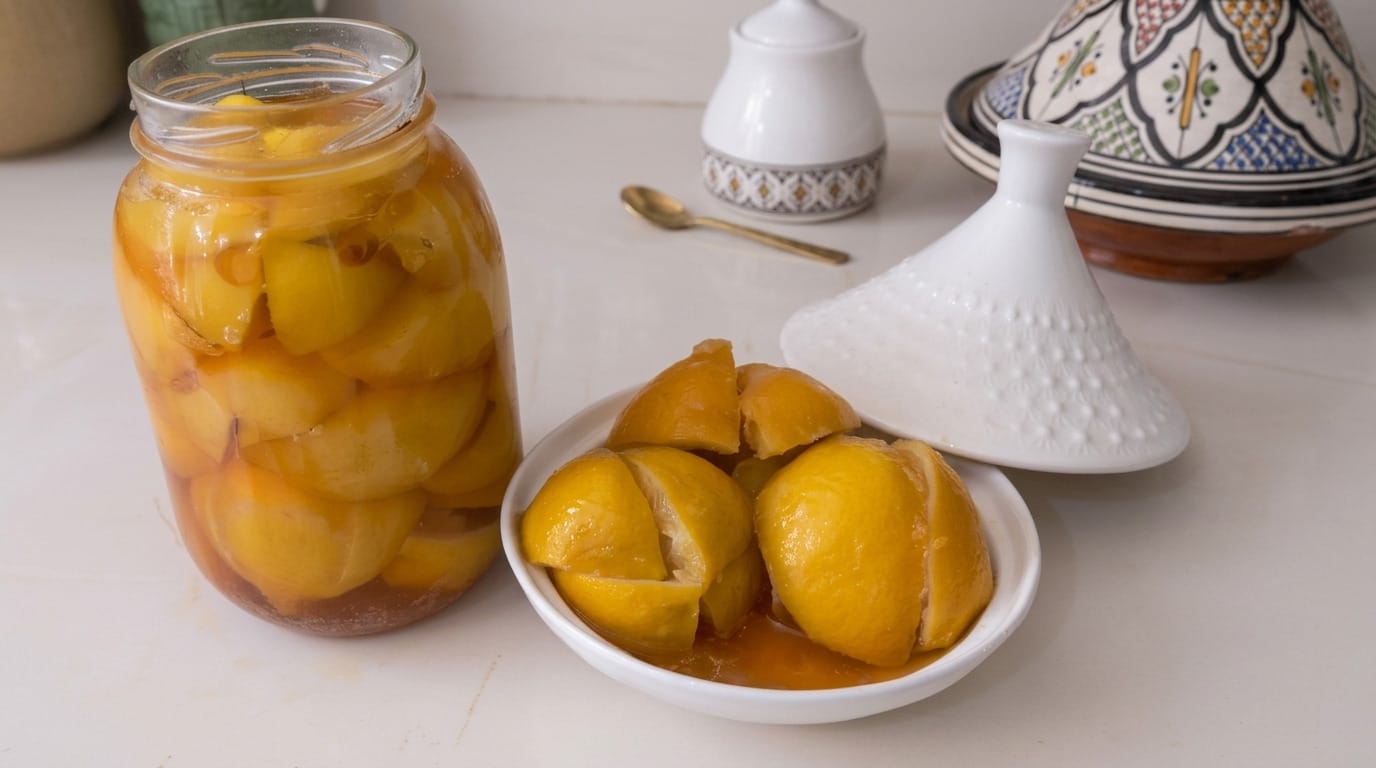
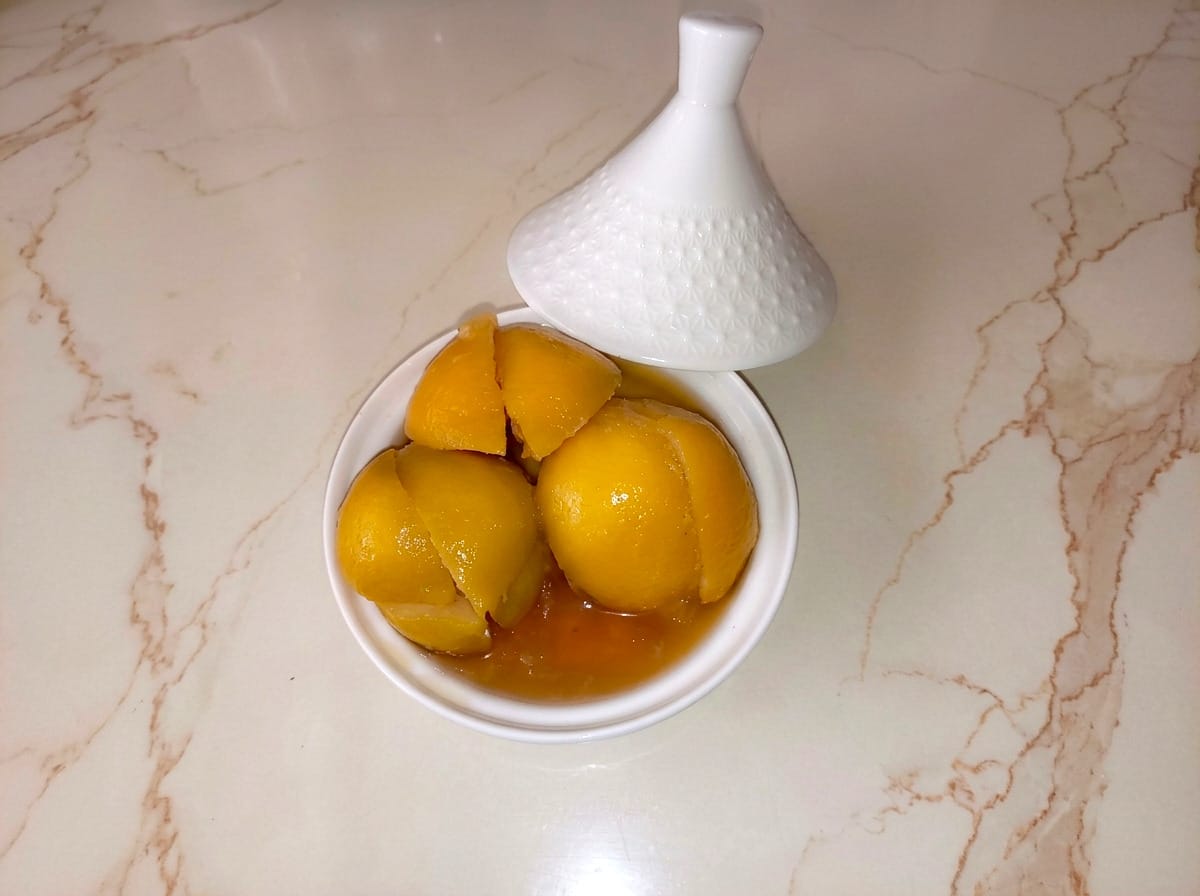
Moroccan Preserved Lemons
Preserved lemons (Hamed Mrakad) are an essential ingredient in traditional Moroccan cuisine, celebrated for their unique, tangy flavor that adds a distinct depth to dishes. The curing process gives them an intense, concentrated taste and a rich aroma that simply cannot be replaced by fresh lemons, making them a staple in many famous recipes.There are several methods to prepare them: the traditional way using only salt, by adding fresh lemon juice, or by using boiling water with salt to speed up the fermentation. This quick technique allows them to mature in just 24 hours, while the alternative method takes 10 days.
Ingredients
Equipment
Method
💠Method 1: The Traditional Method
- Choose the right lemons: Select thin-skinned lemons that are juicy and full of moisture.
- Wash and scrub: Wash the lemons using a vegetable brush, scrubbing the skin thoroughly until the pores are completely clean.
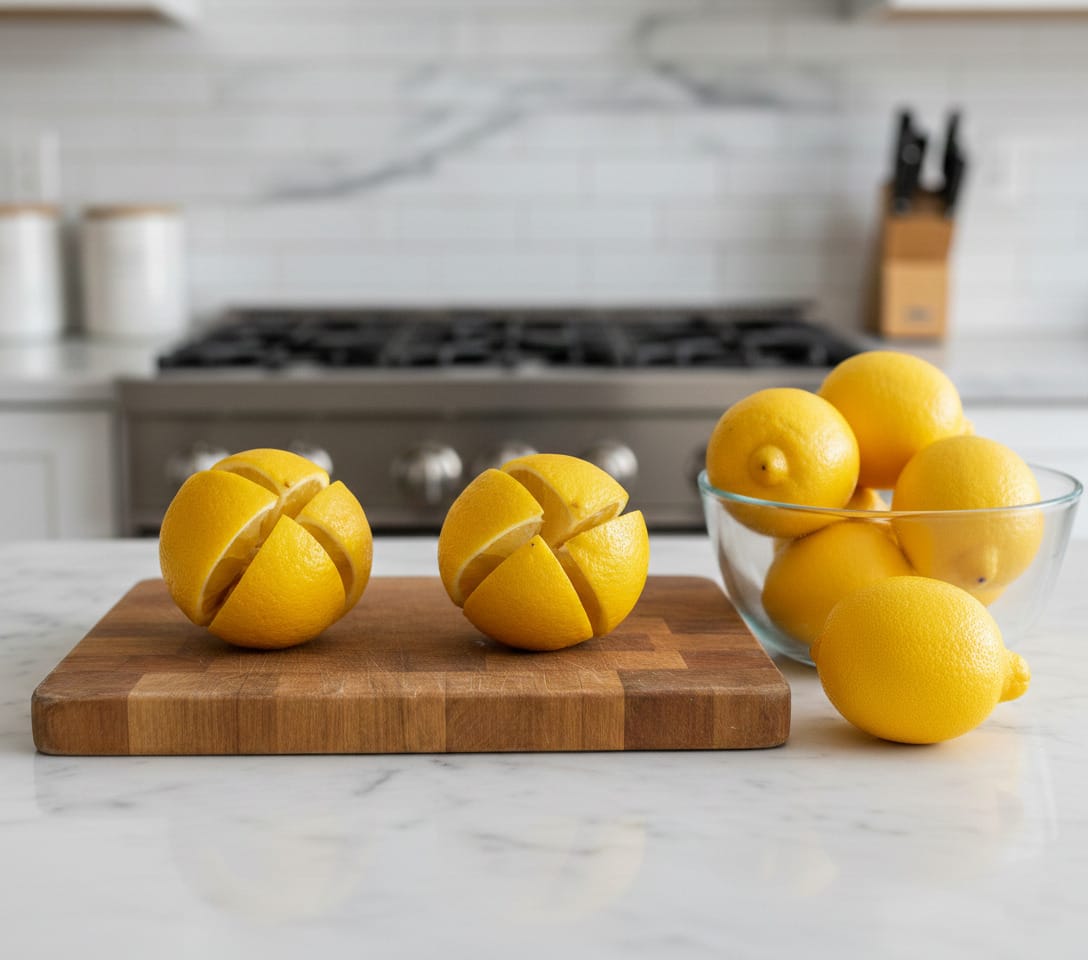
- Cut into quarters: Slice each lemon into quarters from the top, but ensure the pieces remain attached at the base (do not cut all the way through).

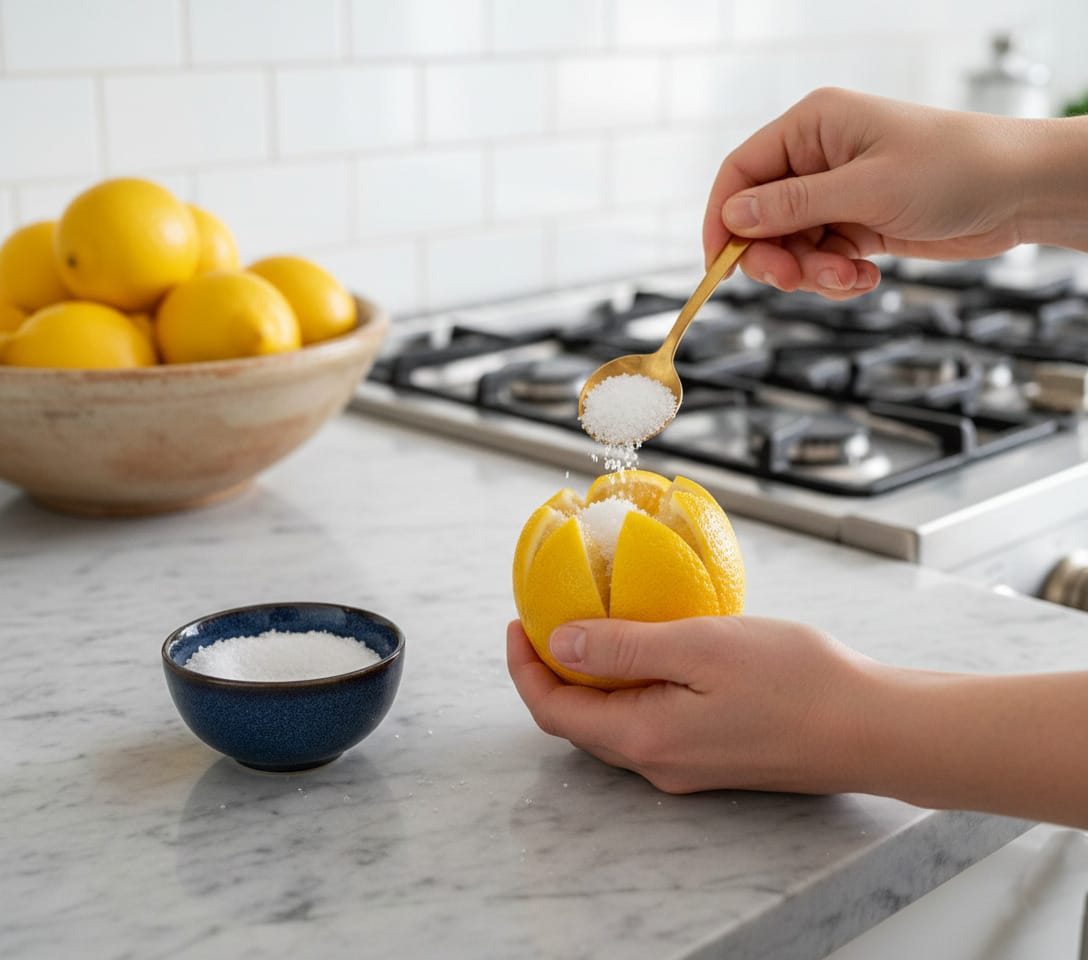
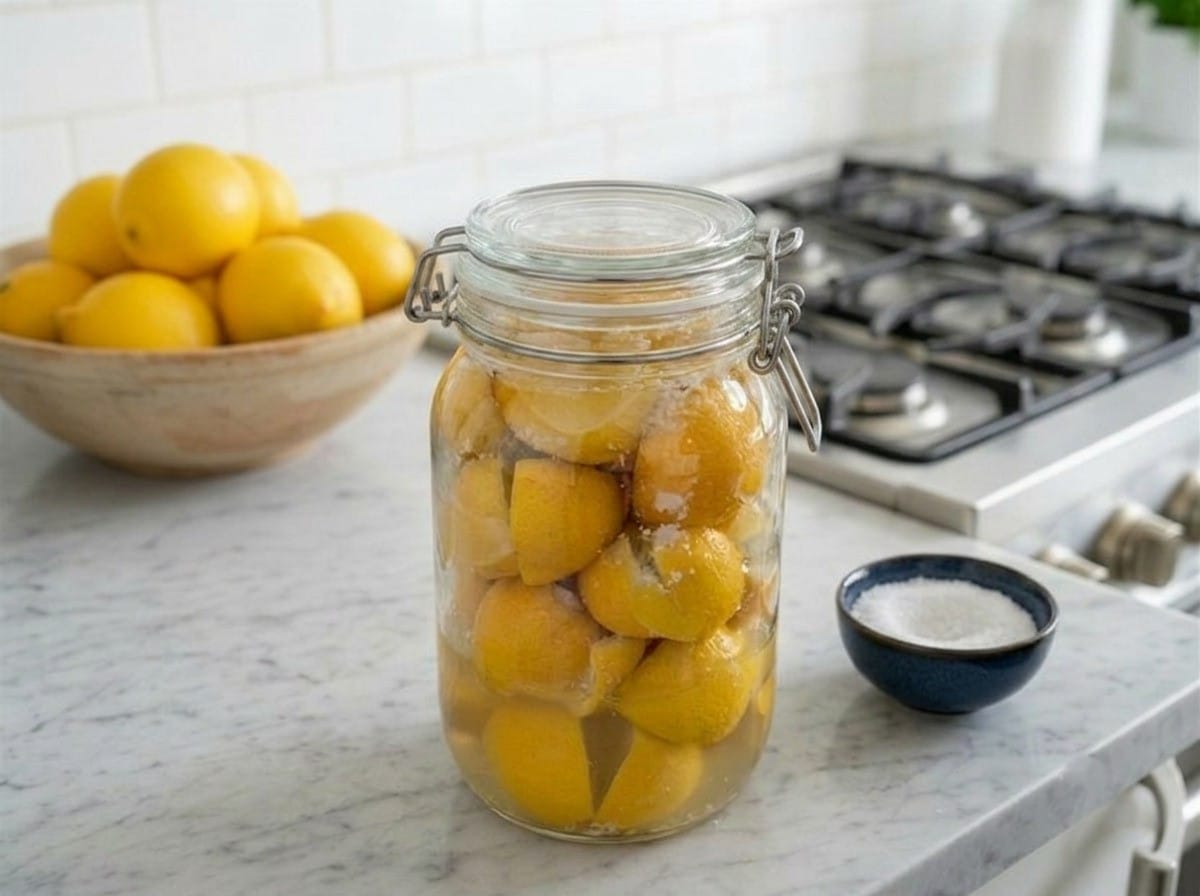
- Fill with salt: Open up the quarters gently and fill the slits with one tablespoon of salt per lemon
- Pack the jar: Pack about 6 salted lemons tightly into the glass jar until it is full.

- The next day (Top up): By the next day, you will notice that the lemons have shrunk slightly. Add more salted lemons into the jar,
- pressing down firmly to fill any empty spaces and force the lemons to release their natural juices.
- Seal tightly: Close the jar firmly to ensure it is completely airtight.
💠Method 2: The Traditional Juice Method
- Follow the initial steps: Follow the exact same preparation steps as the first method (washing, slicing, stuffing with salt, and packing into the jar).
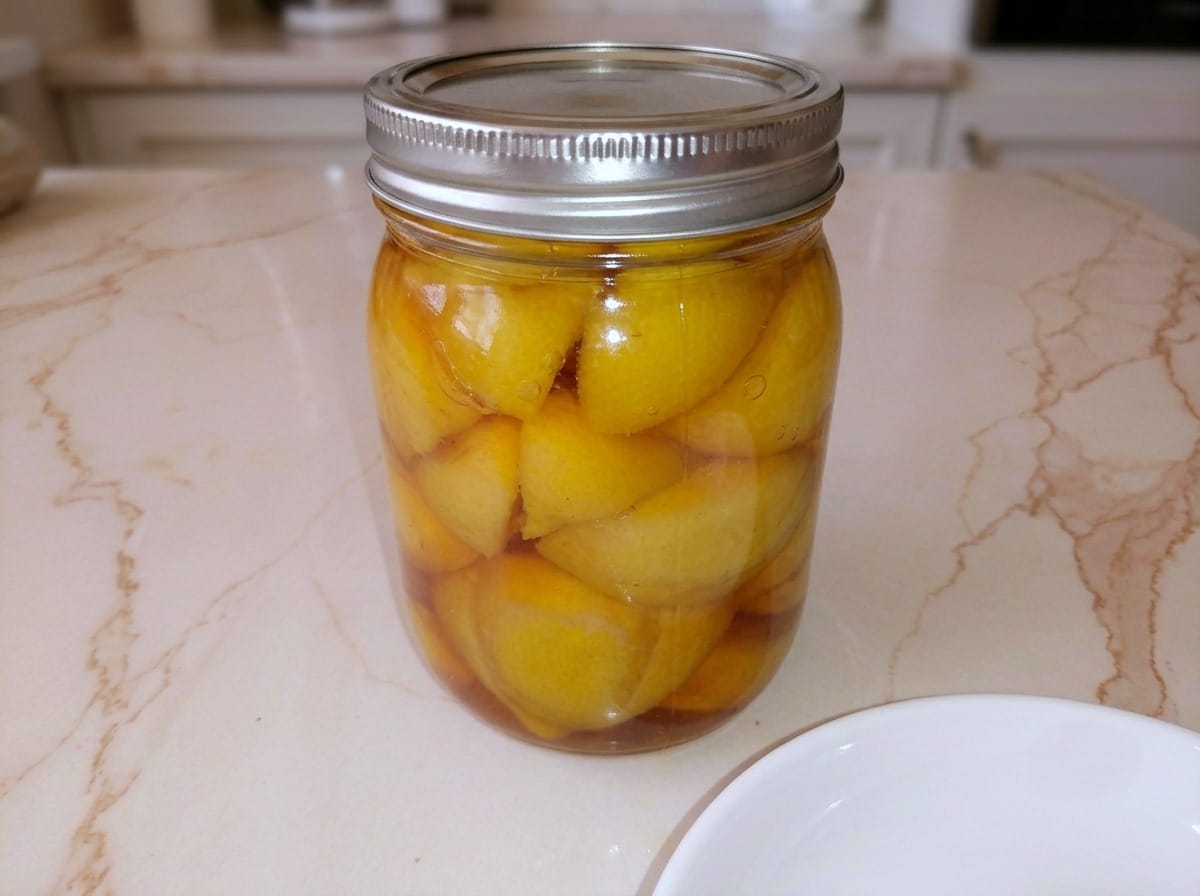
- Add the lemon juice: Pour the fresh lemon juice into the jar until the lemons are completely submerged and the jar is full.
- Top with salt: Add two tablespoons of salt directly on top of the lemons.
- Seal airtight: Close the jar firmly. Make sure the jar has a silicone gasket (rubber seal ring) to ensure it is completely airtight and prevent any air from leaking inside.
- This method is also approved because we get a delicious jelly that we add to warm salads, such as seasoned carrots (Khizu Mchermel), or with fish instead of squeezing fresh lemon.
💠Method 3: The 10-Day Pressure Cooker Method
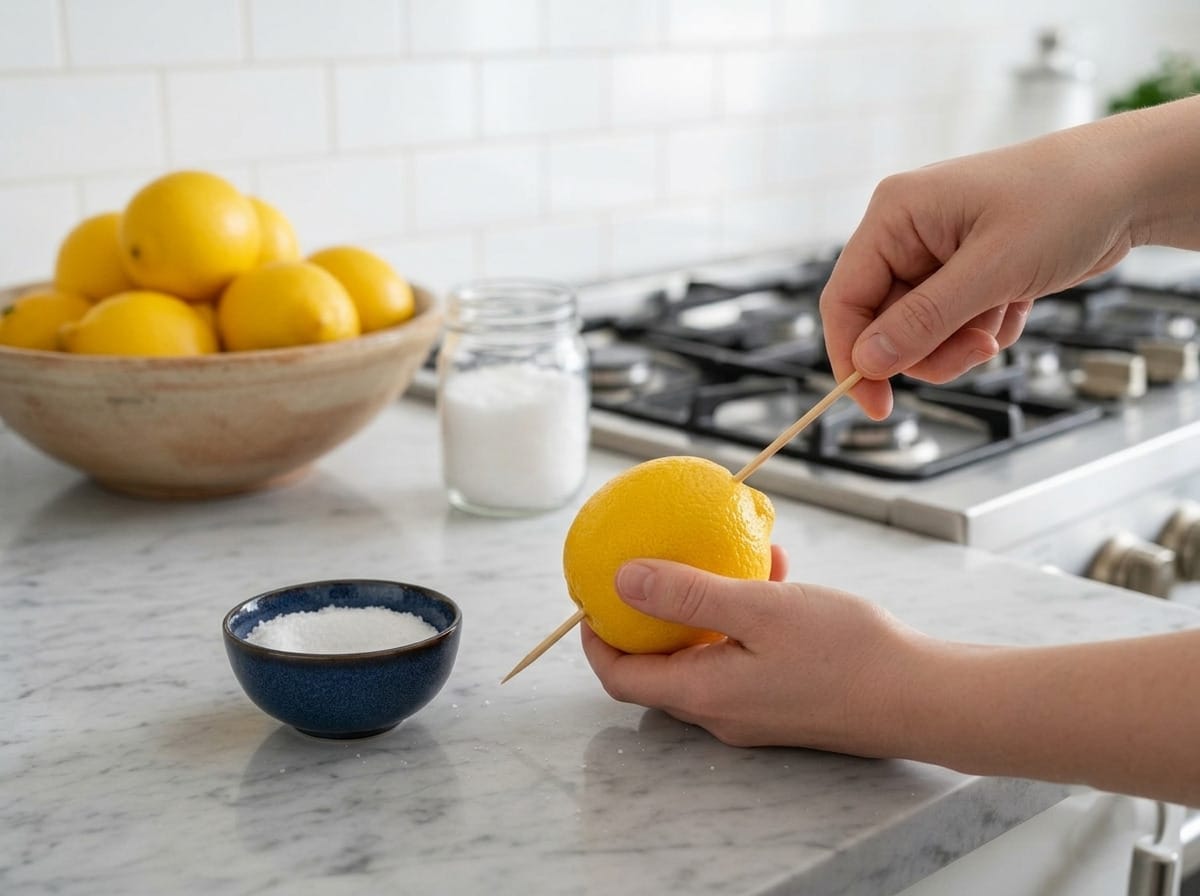
- Pierce the lemons: Take 1 kg of whole lemons and prick each one several times using a wooden barbecue skewer. Place the pierced lemons inside a pressure cooker.
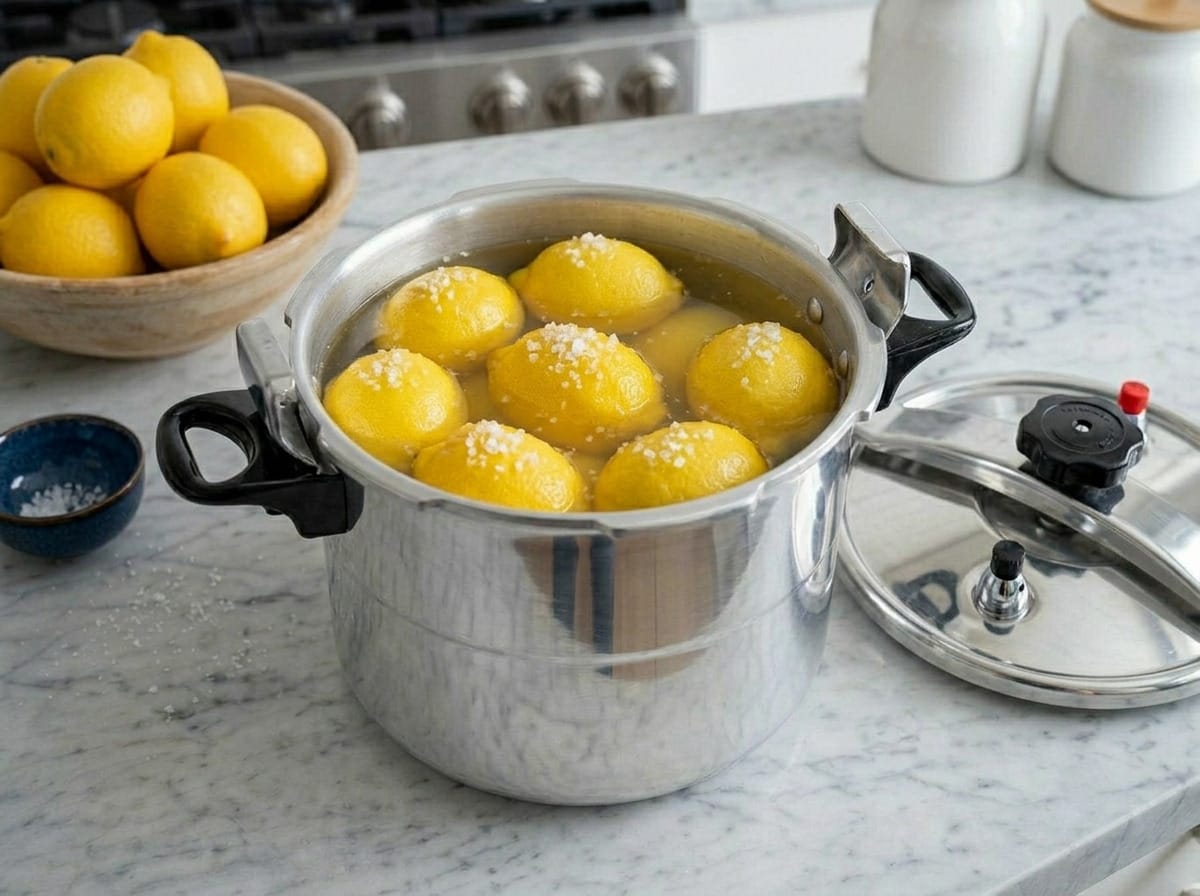
- Add boiling water and salt: Pour about 3 liters of boiling water over the lemons (or enough to completely submerge them),
- then add 1 cup of salt. The water should reach a saltiness level equivalent to seawater.
- Watch for bubbles: You will notice some air bubbles rising to the water's surface; this is normal and happens due to the holes pierced in the lemons.
- Seal and rest (No heat): Close the pressure cooker tightly and place the weight (pressure valve) on top to seal off all steam vents.
- Leave the pressure cooker on the kitchen counter overnight (for a full 24 hours). Do not place it over fire or cook it.
- Transfer to jars: The next day, open the pressure cooker. Carefully transfer the lemons into a glass jar,
- then pour the salted water from the cooker over them until they are completely submerged.
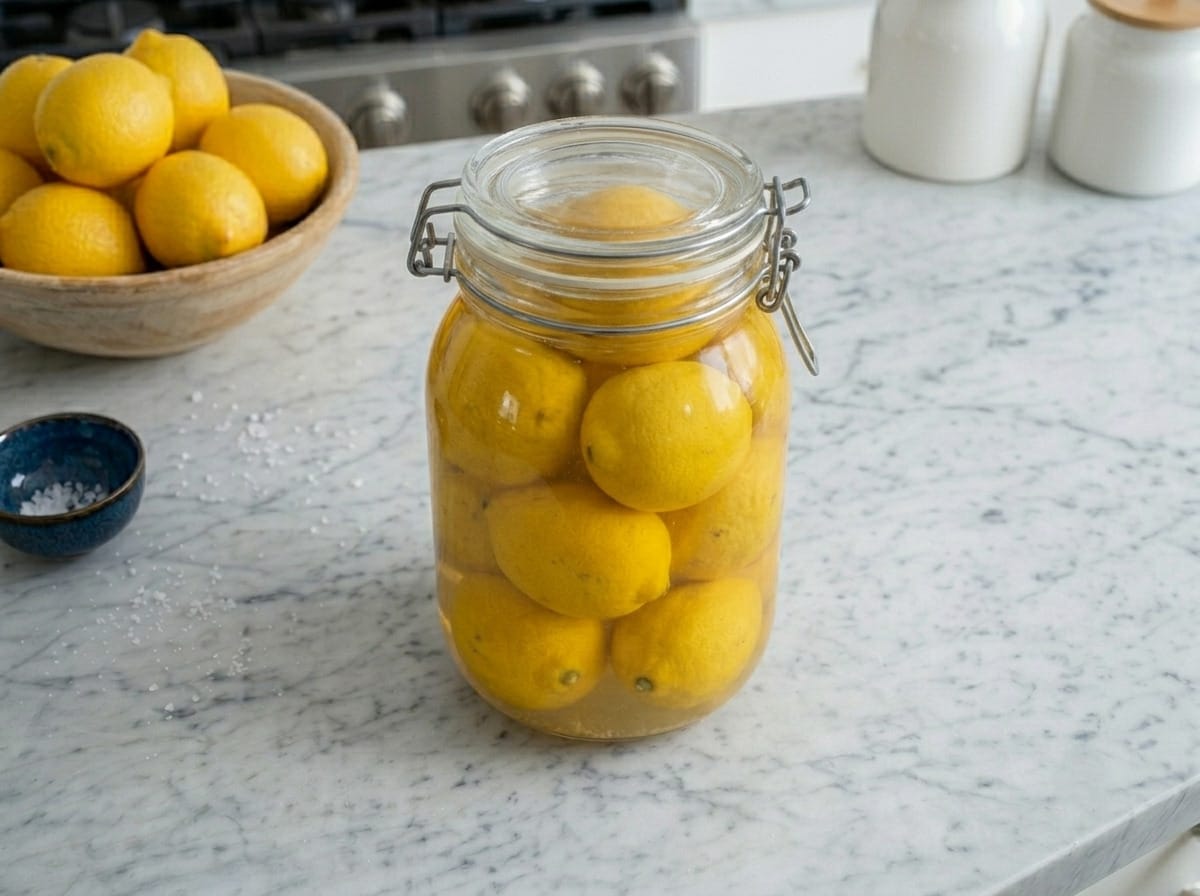
- Add an oil barrier: Pour a thin layer of cooking oil on top so it floats on the surface and seals out the air.
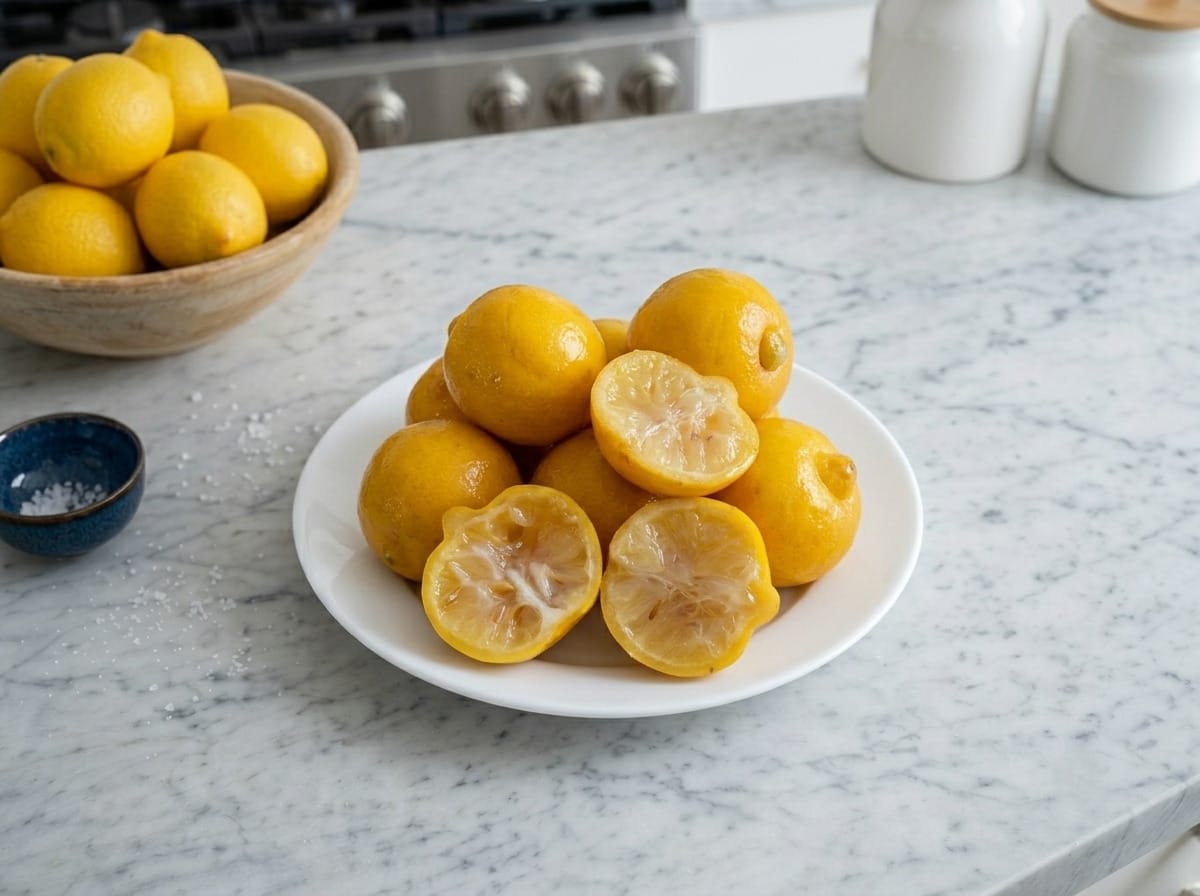
- Ferment for 10 days: Seal the jar tightly and leave it for 10 days, after which your preserved lemons will be perfectly ready to use.
- final result
- 💡 Baker's / Chef's TipPro Tip: It is highly recommended to use smaller glass jars instead of one large jar. Portioning the lemons into smaller batches prevents them from spoiling quickly once opened.
💠Method 4: The 24-Hour Quick Preserved Lemons
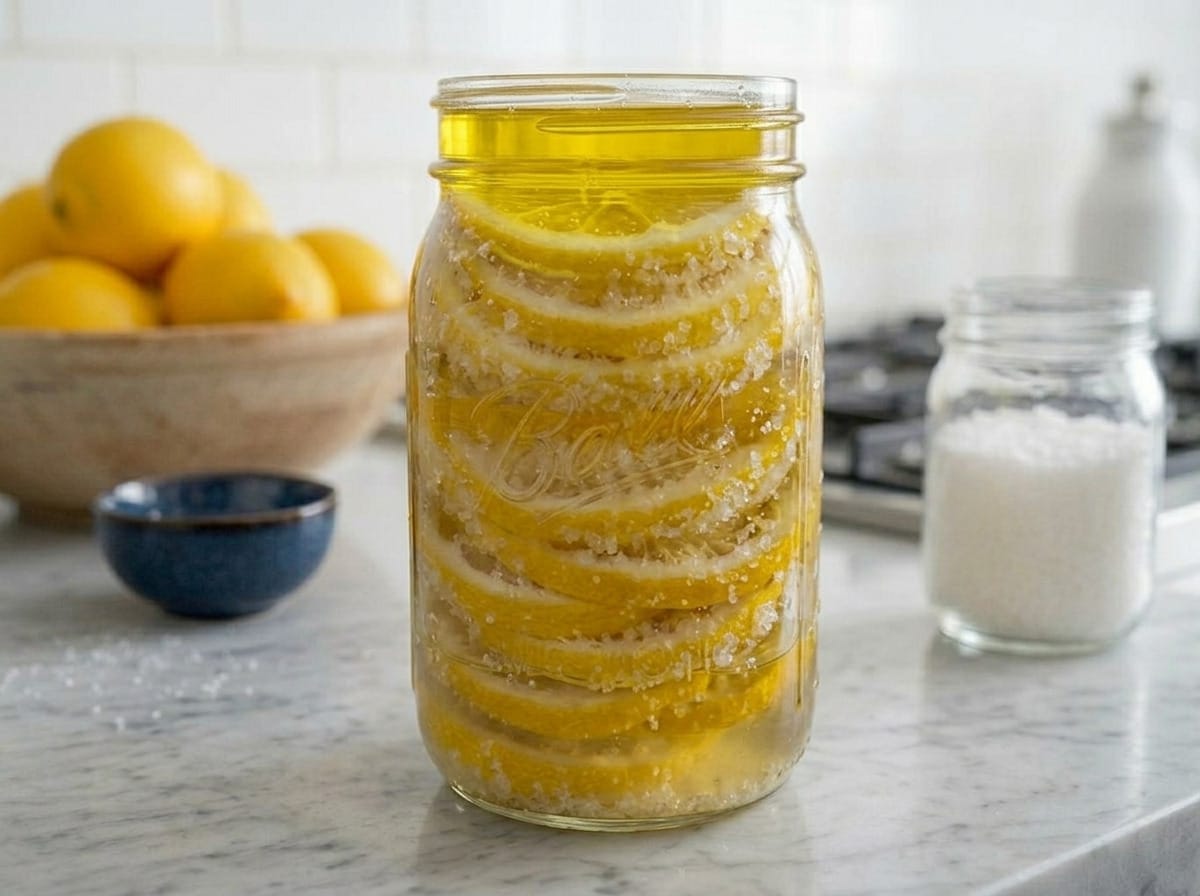
- Slice and coat with salt: Cut the lemons into thick slices and coat them thoroughly in salt, ensuring each slice is well-covered.
- Pack the jar: Pack the salted lemon slices tightly into a glass jar, then pour boiling water over them until they are completely submerged.
- Add an oil barrier: Pour a thin layer of cooking oil on top of the water to create a seal and prevent air from entering.
- Seal and rest: Close the jar firmly and leave it for 24 hours. After just one day, your preserved lemons are ready to be used.
- 💡 Culinary Notes & Storage
- Best uses: These quick preserved lemons are perfect for garnishing or tossing into fresh salads, as their flavor is slightly milder and less intense compared to the traditional long-cured methods.
- Storage tip: If you feel they might spoil or if you want them to last longer, simply store the jar in the refrigerator.
Notes
- Small batches: If you only use preserved lemons occasionally, it is best to use a small glass jar that fits just three lemons at a time.
- Long shelf life: Preserved lemons can last for two years or even longer, provided the jar remains completely airtight and no air gets inside.
- The aging secret: The older they get, the darker their color becomes, and the more delicious and intensely flavorful they taste.
- The lemon jelly: The lemon juice added during the process will turn into a rich, savory jelly—make sure not to waste it, as it is incredibly delicious in cooking.
- Freezing option: You can also store them in the freezer! To do this, simply cut the lemons into quarters so they are easy to portion out later, then place them in airtight freezer-safe containers.
9 Comments
Comments are closed.