Moroccan Semen beldi & Oudi Semen – Rich Traditional Flavor
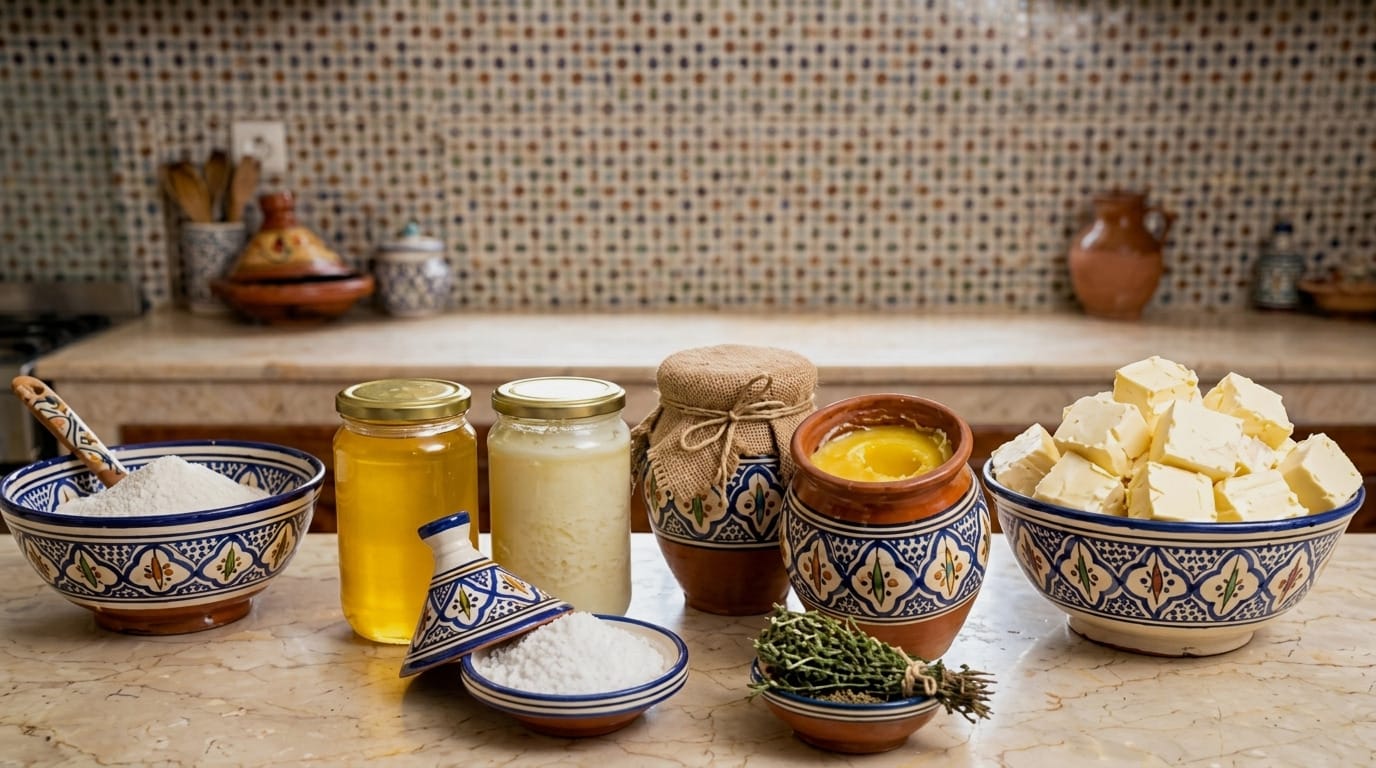

Moroccan Semen beldi
Moroccan Semen Beldi (traditional aged butter) is a foundational, heritage ingredient in Moroccan cuisine. Made from cow's milk butter that is salted, stored, and fermented using a unique traditional method, it develops a sharp, pungent flavor and a deeply aromatic profile. Semen is a cornerstone in crafting many iconic Moroccan dishes, such as couscous, tagines, rfissa, and Djaj Mhamar (Moroccan roasted chicken), imbuing them with a rich, unmatched depth of flavor and a distinct aroma.Below, we will share two different authentic recipes for preparing Moroccan Semen, including a specific seasonal method crafted exclusively during the winter season.
Ingredients
Equipment
Method
💠1. Traditional Moroccan Semen Beldi (Regular Method)
- Phase 1: Rinsing the Butter (Moroccan Semen beldi)
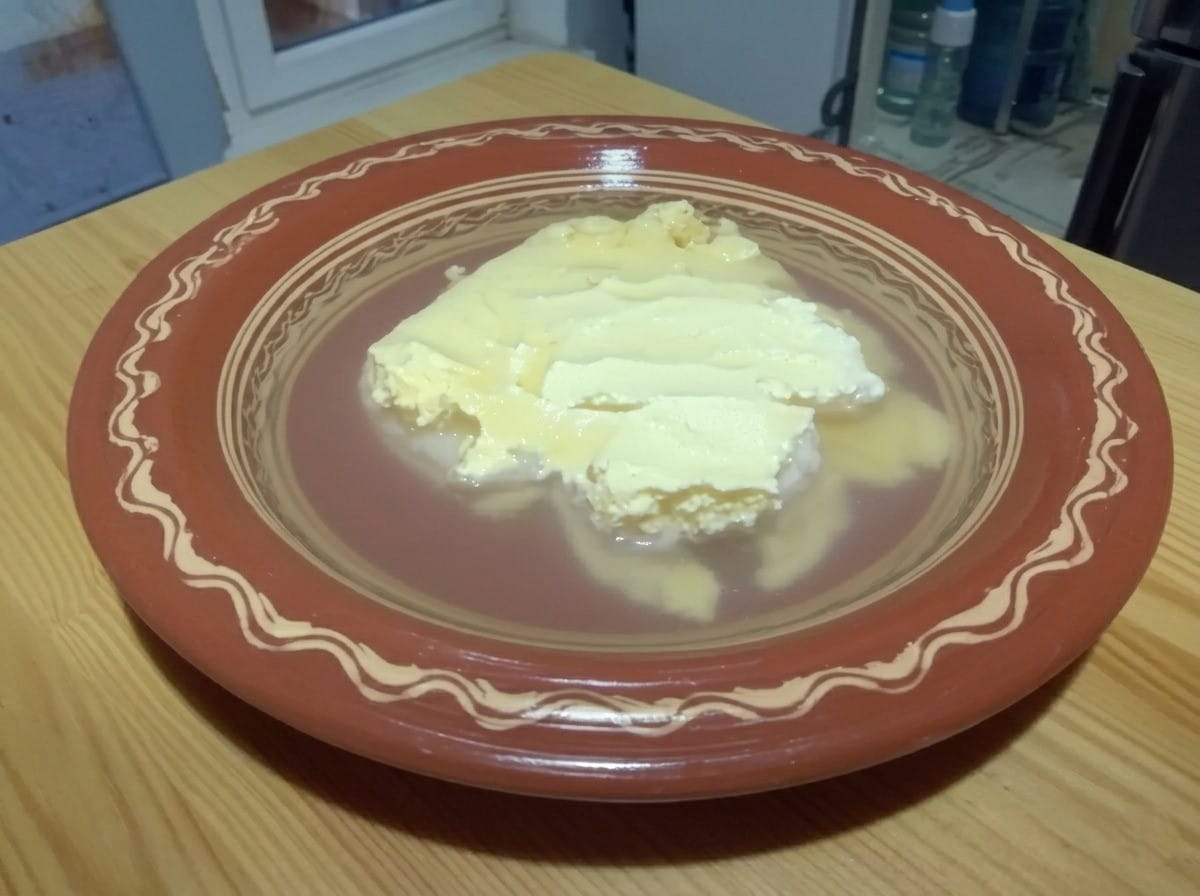
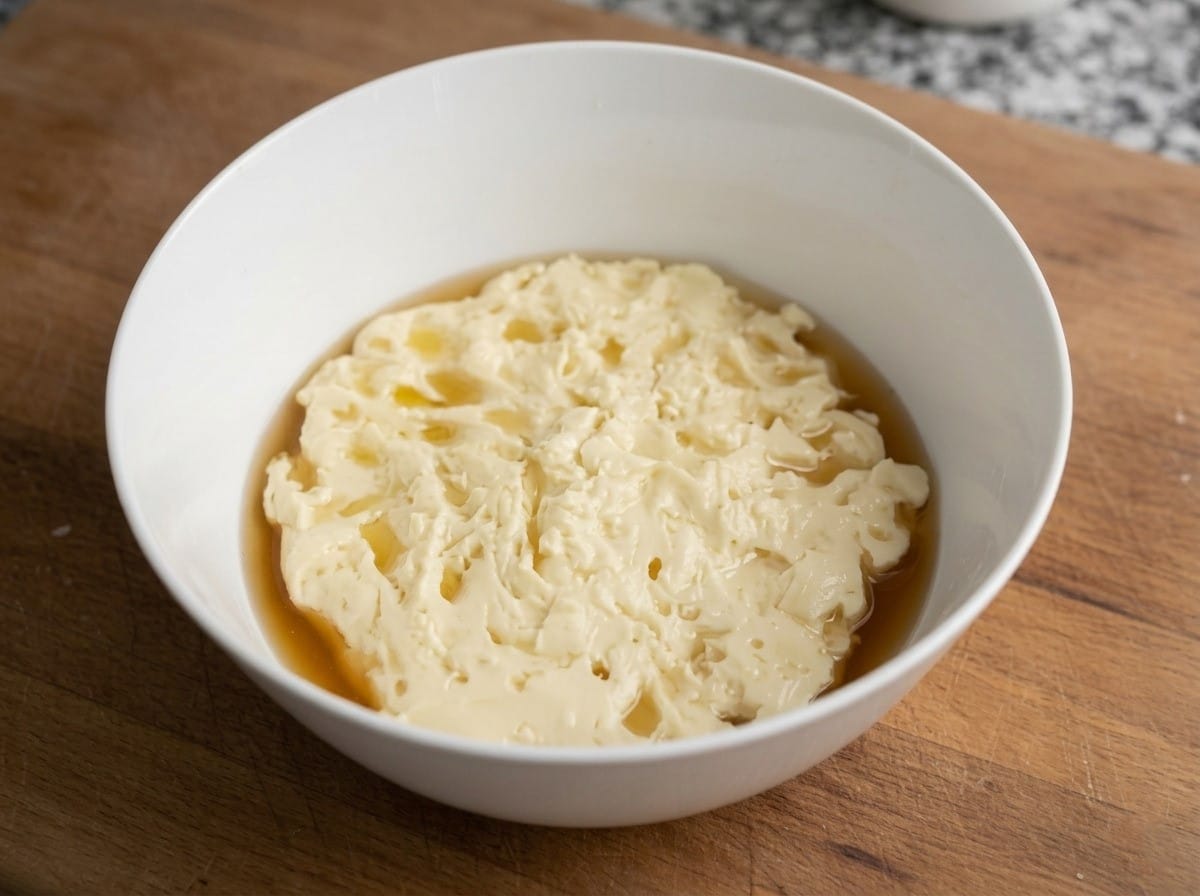
- Place the fresh cow’s milk butter in a large, wide bowl. Add cold tap water to wash away any residual buttermilk.

- Knead the butter thoroughly in the water, repeating this rinsing process 4 to 6 times until the water runs completely clear and all buttermilk is removed.
- Important Note: Ensuring no milk remains is crucial; any leftover milk will cause the butter to spoil, leading to the growth of grey mold that ruins the delicious taste and causes rot.
- Phase 2: Salting and Aging (Moroccan Semen beldi)
- Method 1: The Classic Salt & Saffron Method
- After the final rinse with clear water, wash the butter one last time using only a mixture of water and salt. Knead it thoroughly to distribute the salt evenly, then drain completely.
- At this stage, you may optionally incorporate 0.5 grams of saffron thread into the salted butter for enhanced flavor and color.
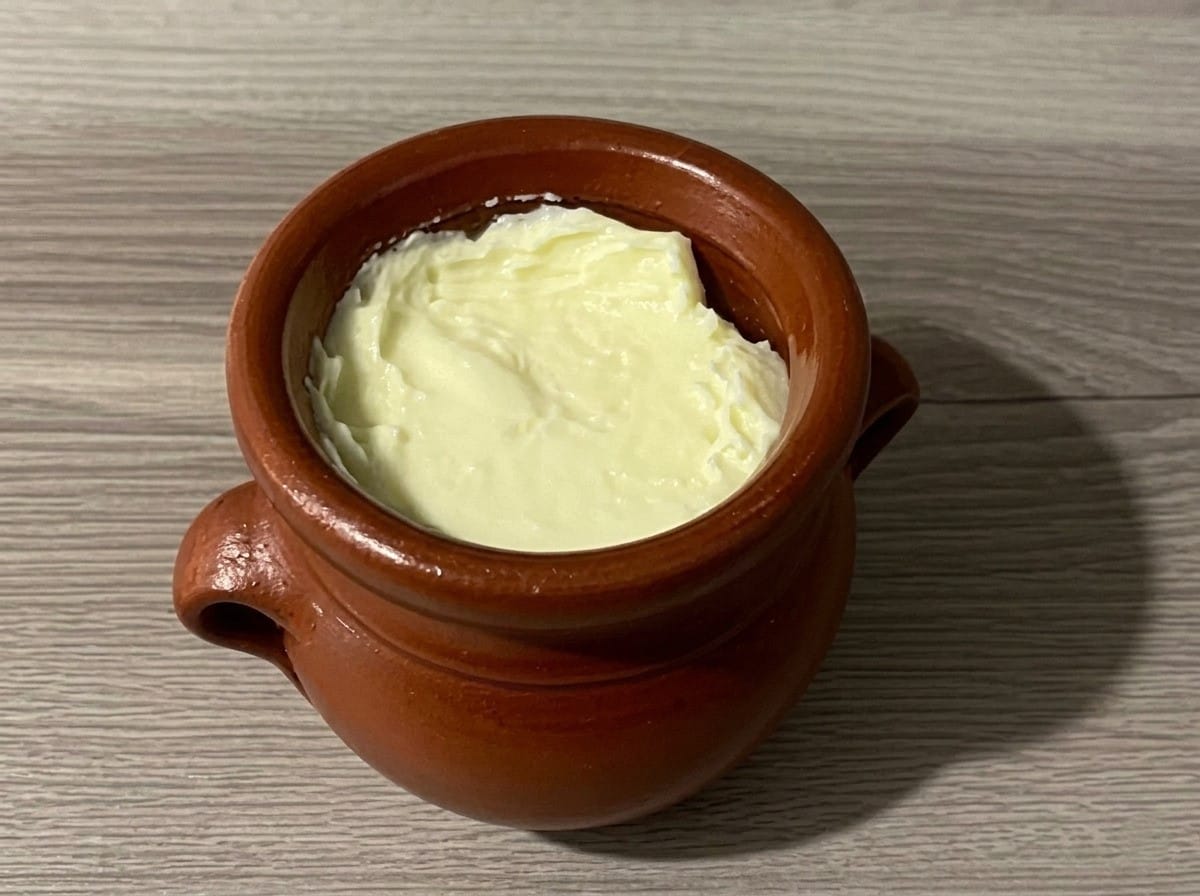
- Pack the butter tightly into an airtight jar or—traditionally and preferably—a classic Moroccan clay jar (Golla), ensuring absolutely no air pockets are left inside.
- Pro Tip: Place a kitchen towel on your countertop and gently tap the bottom of the jar against it to eliminate any hidden air bubbles within the butter.
- Seal the jar securely with plastic wrap to prevent any air from entering, then fasten the lid tightly.
- Store the jar in a dark, cool place for a minimum of 6 months up to a full year. This slow fermentation produces the finest, most premium Semen.
- Method 2: The Thyme & Aged Semen Infusion
- Once the butter is thoroughly rinsed and free of milk, prepare the thyme infusion. Boil 2 tablespoons of thyme in 3 cups of water,
- then let it cool completely. Tip: You can prepare this infusion the night before to ensure it is completely cold so it doesn't melt the butter.
- For the final step, wash the butter with the salted thyme infusion, working it well into the mixture.
- You can let the butter soak in this herbal solution for 30 minutes, or leave it in the refrigerator overnight to fully absorb the rich aromas.
- Drain the butter completely from the thyme solution.
- The Secret Touch: For a deeper depth of flavor, you can blend in 2 tablespoons of aged Semen (sourced from a jar prepared one or two years prior). Mix it thoroughly with the new batch.
- Press down firmly with your hand and remember to tap the jar gently to remove any trapped air or gaps.
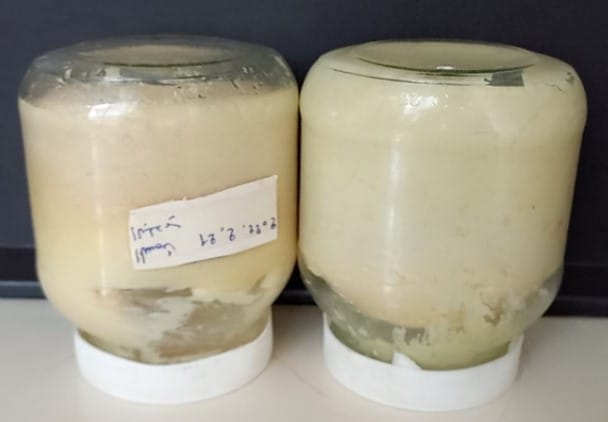
- Place a clean paper towel directly on the surface of the butter, seal the lid tightly, and turn the jar upside down to allow any remaining moisture to drain out.

- On the following day, replace the damp paper towel with a fresh one, reseal tightly with plastic wrap, and store the jar upside down.
- Don't Forget: Label your jars with the preparation date so you can easily track the aging process!
- (Moroccan Semen beldi)
💠2. Preparation Method for Semen Oudi (Moroccan Clarified Smoked Butter)
- Ingredients & Prep
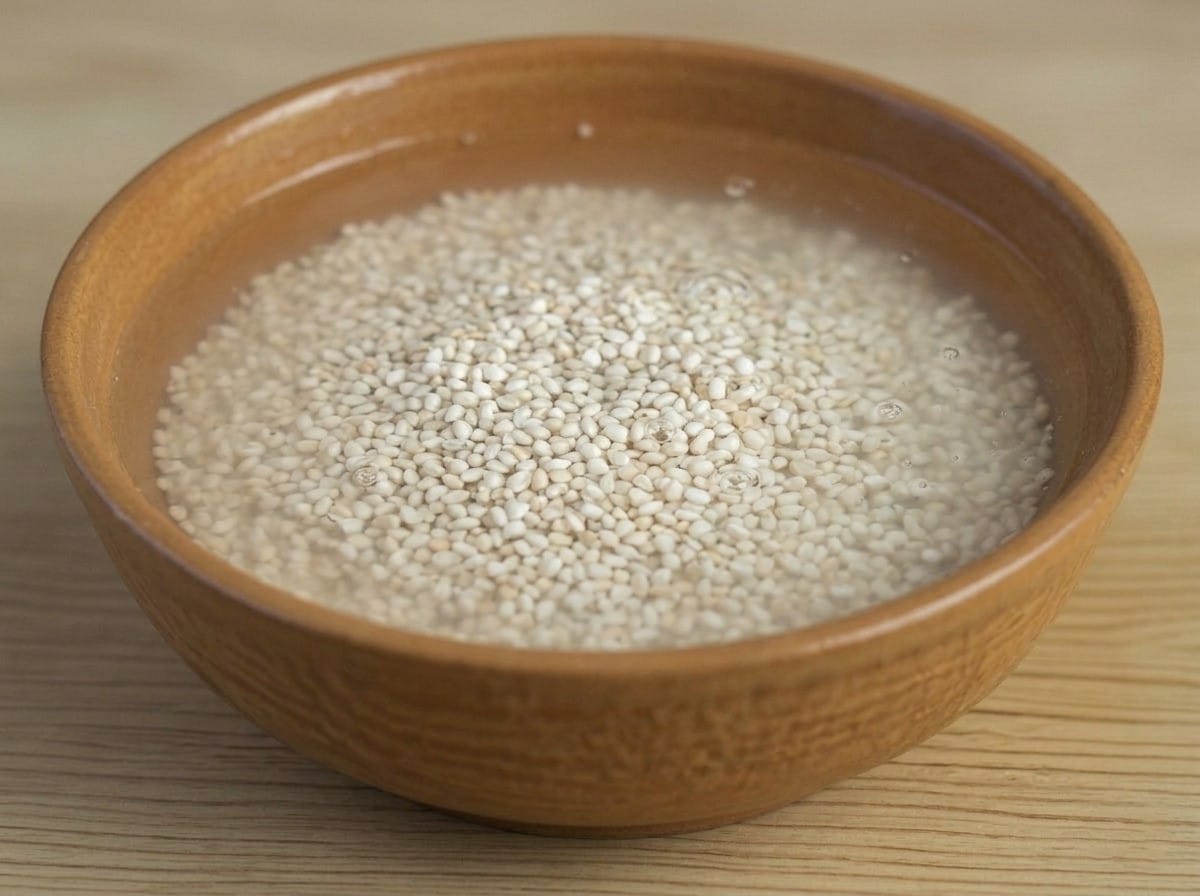
- Soak 2 tablespoons of cracked wheat (crushed wheat/bulgur grain) in cold water for 30 minutes, then drain thoroughly.
- Cooking Process
- Place the unwashed butter directly into a heavy-bottomed pot. Melt it over medium heat, stirring occasionally.
- After 15 minutes, add the salt and a bundle of wild thyme (Za'itra). Stir well and let it simmer for about 25 minutes, keeping a close eye on it.
- Skimming the Foam: During this stage, a white foam will rise to the surface. Skim and discard this foam completely, as it consists of residual milk solids.
- After a total cooking time of 40 minutes, add the drained cracked wheat to the pot. Reduce the heat to low and stir occasionally for another 10 minutes.
- The Role of Cracked Wheat: The cracked wheat acts as a natural sponge, absorbing any remaining moisture or liquids. If any liquid is left behind, it will spoil the clarified Semen.
- Important: Do not stop stirring during these final minutes to prevent the ingredients from sticking or burning at the bottom of the pot.
- Turn off the heat immediately once the butter turns into a clear, beautiful golden liquid that looks just like oil.
- Cooling and Storage (Moroccan Semen beldi)
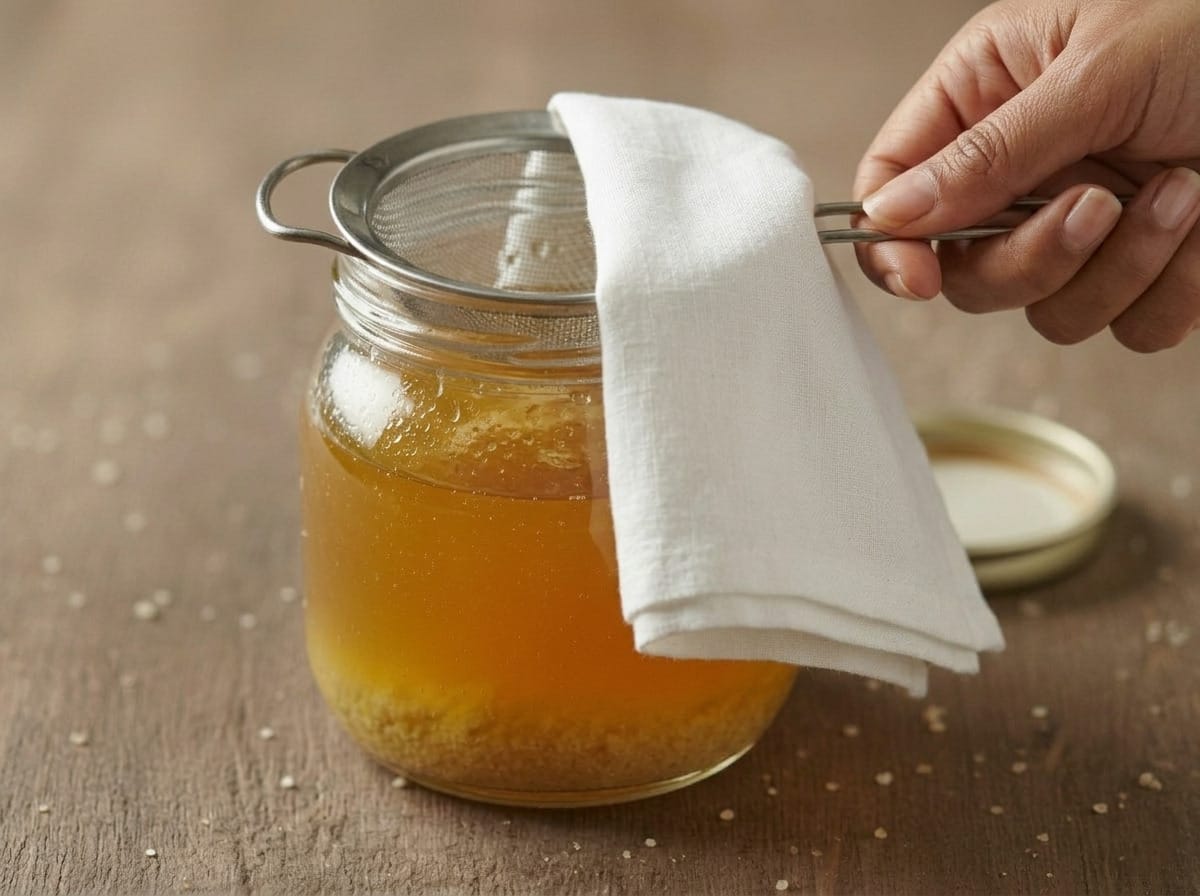
- Let the Semen cool down slightly inside the same pot, then strain it through a metal sieve (preferably, so it doesn't melt) into your jars or traditional clay pots.
- Once filled, place a strainer lined with a clean kitchen towel or cloth over the top of the jars on your countertop.
- Leave them like this until they cool down completely. This clever technique allows the heat to escape gradually without forming water condensation drops inside the jars, which could ruin the Semen.
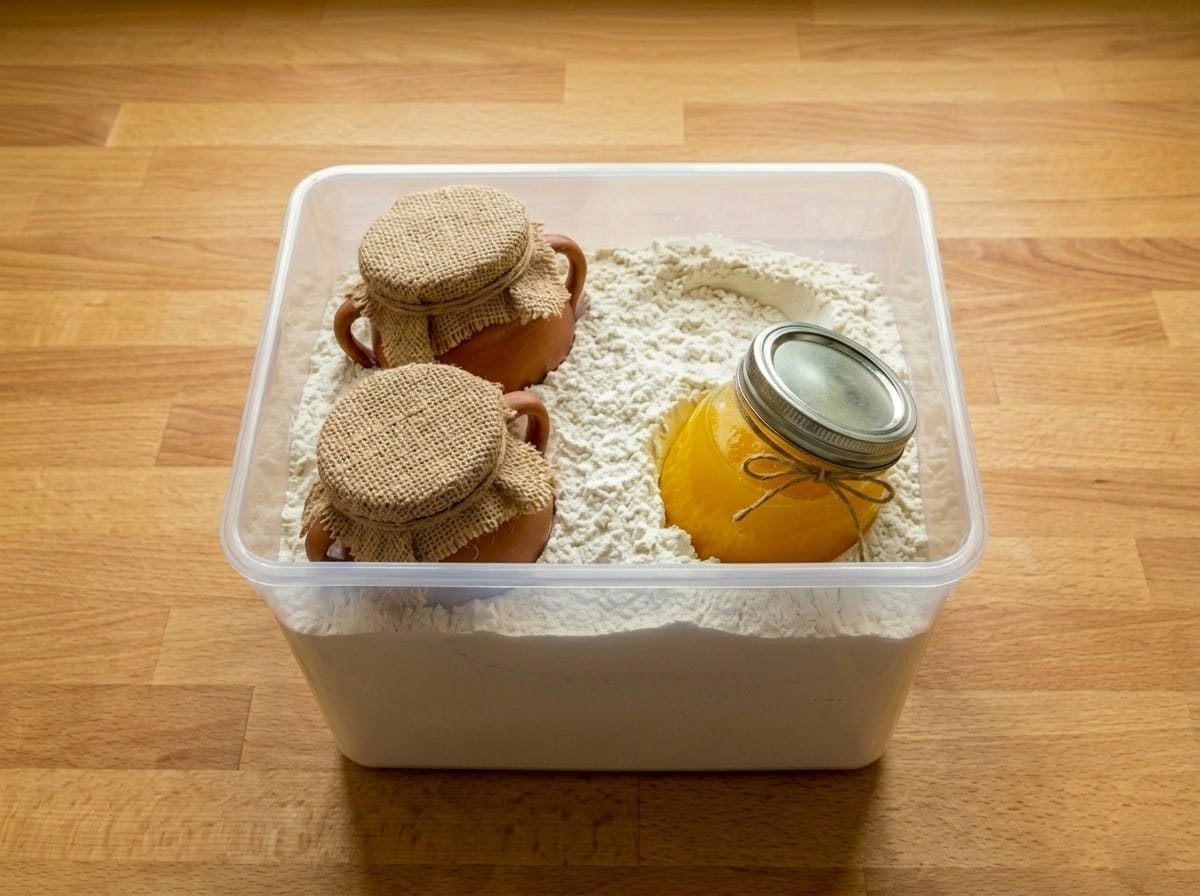
- Seal the jars tightly with plastic wrap. For the final touch, bury the jars inside a large container filled with whole wheat flour (with bran) or regular flour for one full week.
- The Secret of Slow Cooling: This slow, insulated cooling process inside the flour is what gives Semen Oudi its signature smooth, creamy texture, making it perfectly ready for consumption.
- (Moroccan Semen beldi)

Notes
Important Notes & Expert Tips (Moroccan Semen beldi)
- The Golden Rule of Semen: The fundamental principle of making Semen relies on thoroughly rinsing the butter, salting it properly, packing it tightly into a jar, and sealing it completely airtight to prevent spoilage.
- Take Your Time: Do not rush the process. Take your time when rinsing the butter and kneading it with the thyme infusion, ensuring the butter completely absorbs and is thoroughly coated with the herbal mixture.
- Temperature Control: If you notice that the butter is starting to melt during the process, place it in the refrigerator for a short while, or use ice-cold water from the fridge for the next rinse.
- Choose the Right Jar: It is highly recommended to use glass jars or traditional clay pots. Always avoid using plastic containers for storing Semen.
- Size Matters: If you do not use Semen frequently, opt for smaller 250-gram jars. This ensures the butter doesn't spoil from constant exposure to air each time the jar is opened.
- Watch the Salt: When cooking with Semen, be mindful of the salt you add to the dish. Always taste your food first and adjust the seasoning toward the end of cooking.
- A Little Goes a Long Way: As Semen ages, its color changes and its flavor profile becomes remarkably intense. Keep in mind that a tiny amount is often enough; you can always add more later according to your taste.
- Test Before Entertaining: If you are new to using Semen, try cooking a small test batch of a dish first to familiarize yourself with its strong, unique flavor before serving it to guests or at dinner parties.
Specific Tips for Semen Oudi (Moroccan Semen beldi)
- Herbal Substitution: If wild thyme (Za'itra) is unavailable, you can easily substitute it with 1 teaspoon of regular dried thyme.
- Use Heavy Cookware: Always use a heavy-bottomed pot or Dutch oven to melt the butter. This distributes the heat evenly and prevents the butter from burning or altering its flavor.
- Keep the Heat Low: Do not crank up the heat; high temperatures can cause the boiling fat to splatter and potentially cause severe burns.
- The Fenugreek Debate: Some traditional variations suggest adding 10 fenugreek seeds (Helba). However, this limits the versatility of the Semen in other recipes. For a more multipurpose ingredient, it is best to skip the fenugreek.
- Safety First: For your safety, let the clarified Semen cool down slightly before pouring it. Pouring boiling-hot fat can crack glass jars. Also, ensure the jar is completely dry, as a single drop of water can spoil the entire batch.
- The Catch-All Plate: Place a clean plate under your jar while filling it. Any accidental spills will stay clean and can be saved and used later.
- Smart Flour Storage: Use smaller jars when burying the Semen in flour so you do not need to use massive amounts of whole wheat flour. Rest assured, you can still use that flour for baking later; nothing goes to waste!
- The Best Season to Prepare: The absolute best time of year to craft the sweet Semen Oudi is during the cold days of winter.
4 Comments